

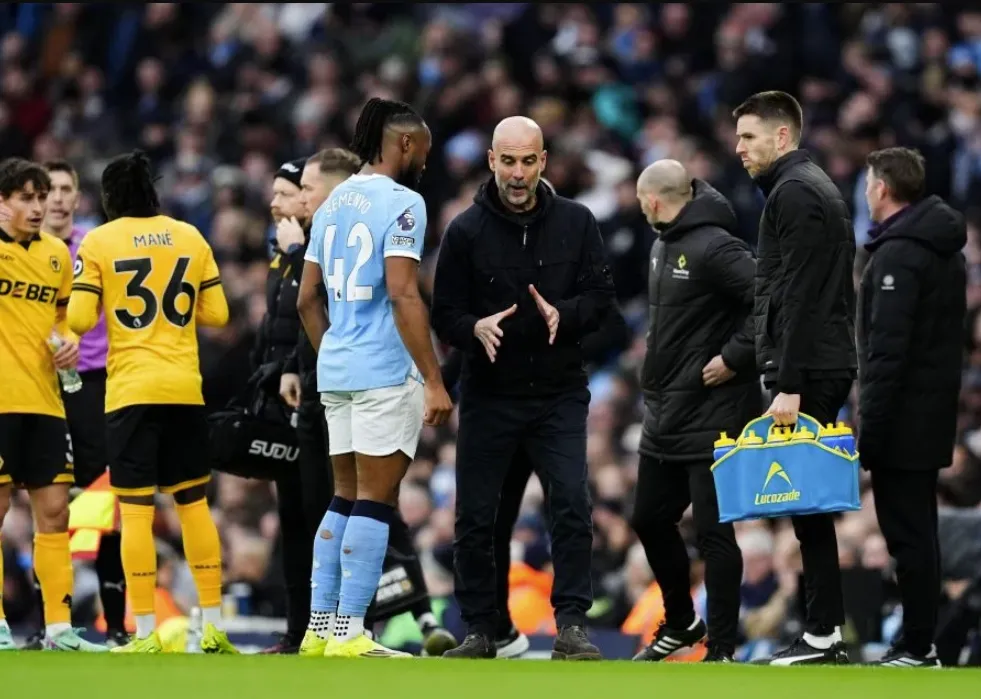
The roar of the Etihad Stadium, once a fortress that struck terror into the hearts of European giants, now carries a different tone. In a recent candid admission that has sent ripples through the football world, Pep Guardiola confessed that opposing teams, particularly Real Madrid, no longer step onto the pitch against Manchester City with the same trepidation they once did. This revelation, coming after a tense Champions League encounter, offers a fascinating glimpse into the psychological evolution of elite football and the cyclical nature of dominance.
For years, City were the bogey team everyone wanted to avoid. Their relentless possession, suffocating press, and almost robotic execution made them the benchmark of modern football. However, as Guardiola himself noted, the landscape has shifted. The fear factor, that intangible aura of invincibility, has diminished. This article dives deep into the reasons behind this change, examines the tactical adjustments seen in recent matches, and explores what this means for the reigning Premier League champions as they navigate the treacherous waters of European competition.
The Confession: More Than Just Words
When a manager of Pep Guardiola’s stature speaks about fear or the lack thereof, it is rarely a throwaway comment. It is a psychological observation rooted in data and on-pitch reality. His acknowledgment that teams like Real Madrid now possess the audacity to face City head-on, without the historical hesitation, marks a significant turning point.
Why the Fear Has Faded
Several factors contribute to this psychological shift among City’s rivals:
- Blueprint for Success:The most obvious reason is that opponents have studied City’s system for years. What was once revolutionary is now predictable. Teams know that if they can weather the initial storm of possession, gaps will appear. High-level pressing traps, once a novelty, are now a standard part of elite coaching.
- Madrid’s Psychological Edge:No team embodies this loss of fear better than Real Madrid. Their history in the Champions League is built on a culture of resilience. They do not just believe they can win; they believe they will find a way, even when dominated. This mental fortitude directly counters City’s systematic approach. The memories of last season’s epic semi-final, where Madrid snatched victory from the jaws of defeat, have removed the last vestiges of fear from their mindset.
- Player Personnel Changes:The departure of key leaders like Ilkay Gündogan and the natural aging of Kevin De Bruyne have altered the team’s core dynamics. While the squad remains incredibly talented, the “Game Over” feeling when certain players have the ball is slightly less pronounced than in previous peak seasons. An elite tactical analyst from Betbuzz365 noted, “Without that constant, decisive threat from midfield runners, the opposition feels they can press higher without being instantly punished.”
- Tactical Evolution of Rivals:Other top clubs have adapted their own systems specifically to counter City. The use of a low-structure 5-4-1 block, quick transitions, and direct running at a high defensive line are now common tactics. This means City face a prepared adversary every week, not one caught off guard.
Why the Fear Has Faded
Tactical Dissection: How Opponents Exploit the Shift
The loss of the fear factor is not just a mental statistic; it manifests clearly in tactical choices on the pitch. Let’s break down how teams now approach a match against Guardiola‘s Manchester City.
Pressing with Purpose, Not Panic
In the past, pressing City often ended in humiliation as their passing triangles and ability to play out from the back would carve a team apart. Now, teams like Real Madrid employ a “triggered press.” They do not chase aimlessly. Instead, they wait for a specific pass—often to the full-back under pressure—and then swarm with coordinated intensity.
The High Line Gamble
Facing City used to mean dropping deep. Now, teams are braver in using a high defensive line, pushing up to compress the space. This is a massive gamble, as it leaves space in behind for City’s wingers. However, it forces rushed passes and disrupts City’s rhythm. In their recent matchup, Madrid’s defensive line was remarkably aggressive, a tactic that would have been considered suicidal just two seasons ago. This change forces the players to adapt and find new solutions.

Targeting the Transition
The most effective way to neutralize City’s possession is to attack the transition moments. City’s full-backs push extremely high. When they lose the ball, there is a vast expanse of space to exploit. Teams no longer feel the need to build slowly; they launch direct, vertical passes to quick forwards to catch City’s defense before it can reorganize.
A key insight from a leading sports analyst at Betbuzz365 highlights this trend: “The era of pure possession dominance is evolving. Guardiola teams now face a new challenge: proving they can win the chaotic moments, not just the controlled ones. The fear has been replaced by a sophisticated form of tactical courage.”
Key Player Spotlight: Who Must Rise?
For City to restore that aura of invincibility, specific players need to step up and deliver in high-stakes moments.
Rodri: The Undisputed Anchor
Rodri is arguably the most important player in the squad. His ability to read the game, break up attacks, and dictate tempo from deep is essential. When Rodri plays well, City are structured. When he is bypassed, the defense looks vulnerable. His performance in these high-octane European nights will be the single biggest factor in dictating whether City can reclaim their psychological edge.
The Erling Haaland Factor
There is a peculiar paradox surrounding Erling Haaland. He scores goals for fun, yet his overall link-up play can sometimes isolate him from the team’s possession game. In matches where City are not dominating, he needs to become a different kind of player—a target man who holds the ball up and allows City to reset their press. His evolution in these “uglier” games will be critical.
The Next Generation
With veterans aging, the responsibility now falls on players like Phil Foden and Julian Alvarez. Foden’s ability to drift in from wide areas and Alvarez’s relentless work rate provide a dynamic energy. They represent the future of City’s attack and must become the new standard-bearers of fear, using their unpredictable movement to unsettle defenses.
The Bigger Picture: What This Means for the Season
This evolving dynamic does not mean City are in crisis. Far from it. They are still one of the most formidable teams in the world. However, the psychological landscape has leveled the playing field in the Champions League.
For Domestic Competition:
In the Premier League, where consistency often trumps individual brilliance, City’s system still yields incredible results. The fear is more relative, but the relentlessness of their weekly performances wears down domestic rivals over 38 games.
For the Champions League:
The knockout stages are a different beast. Here, moments of individual magic and psychological resilience often outweigh tactical perfection. Guardiola’s challenge is no longer just about out-coaching the opponent; it is about out-fighting them. He must instill a new form of fear—not based on reputation alone, but on a ruthless, aggressive edge that can match the passion of teams like Real Madrid.
Conclusion: Pep Guardiola, Manchester City, and the Quest to Rediscover Awe
Ultimately, the admission from Pep Guardiola is a sign of his brilliance as a manager—he sees the game with perfect clarity, refusing to be blinded by past success. The fear factor may have faded, but this is merely the next challenge in the evolution of Manchester City’s dynasty. The question is no longer “Can they keep the ball?” but “Can they win when the momentum is against them?”
The journey to reclaim that psychological edge starts now. It requires tactical innovation, player development, and a renewed sense of grit. For the fans watching from the stands of the Etihad or on their screens, this new chapter is arguably more compelling than the era of pure domination. The vulnerability has made the story more human.
What do you think? Is this just a temporary dip, or is the era of City’s Champions League dominance over? Share your thoughts in the comments below and let us know if you believe they can silence the doubters once again. For more in-depth analysis and the latest news on European football, be sure to explore the other articles on Betbuzz365—your home for comprehensive sports coverage.
