
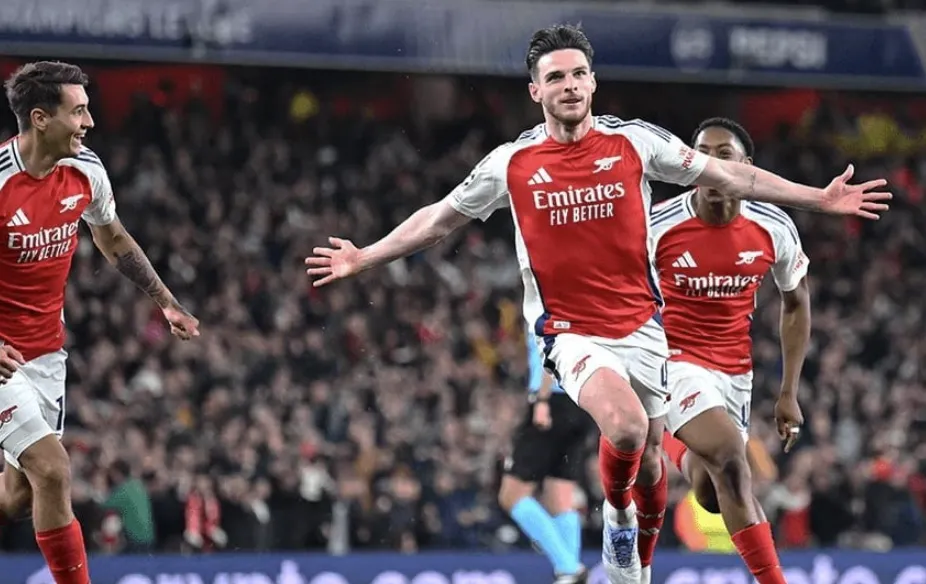
The UEFA Champions League remains the pinnacle of club football, and for Arsenal fans, the 2025-26 season represents another opportunity to go deeper into the tournament after several years of rebuilding. Under the guidance of Mikel Arteta, the Gunners have consistently shown they can compete with Europe’s elite, but the knockout rounds demand something extra—tactical discipline, squad depth, and a bit of luck.
This article on Betbuzz365 breaks down everything you need to know about the Champions League knockout phase for the 2025-26 season, from the revamped format to the exact dates you need to mark on your calendar. Whether you’re an Arsenal supporter dreaming of that trophy lift or just a neutral fan craving top-tier football, understanding the structure of the competition is key to following the drama.
The New Knockout Format: What Has Changed?
The 2025-26 season marks a significant shift from the traditional Champions League structure. UEFA has introduced a Swiss-system league phase, which replaces the classic group stage. Instead of eight groups of four, we now have one massive 36-team table. Each team plays eight matches against different opponents, with the top eight automatically qualifying for the Round of 16, while teams finishing 9th to 24th enter a two-legged playoff to join them.
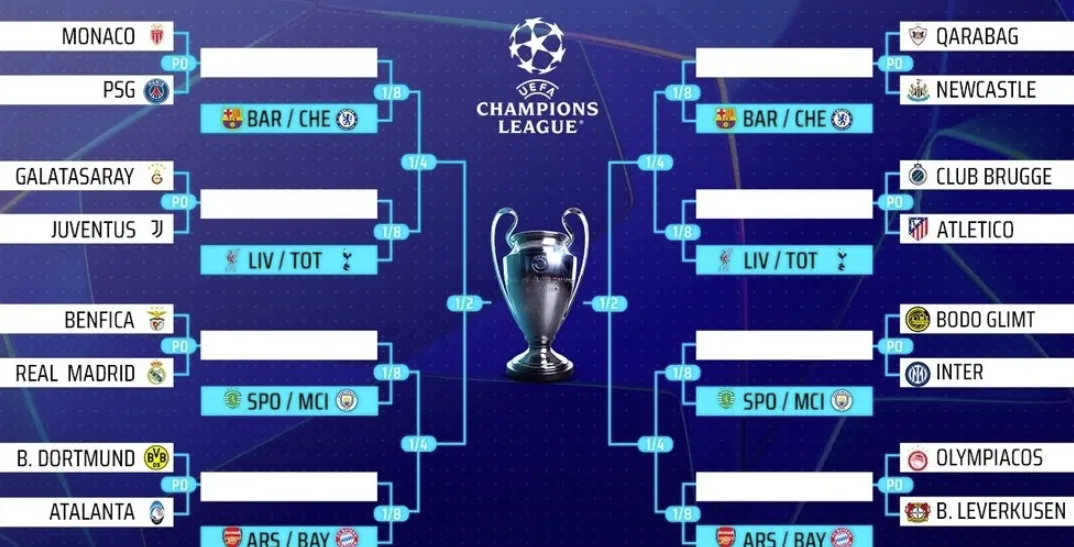
This change means more high-stakes matches early on, but the knockout rounds remain the heart of the competition. The bracket is no longer predetermined; instead, it is drawn after the league phase concludes, with seeded teams being paired against unseeded ones to maintain competitive balance.
A More Competitive Knockout Stage
One major advantage of this format is that it reduces the number of “dead rubber” matches. In previous seasons, top teams sometimes coasted through the group stage after securing early qualification, leading to less exciting football. Now, every position in the league table matters, as a higher finish means an easier path in the knockouts. For Arsenal, this means every point in the league phase is critical to avoid a potential early meeting with a powerhouse like Manchester City or Real Madrid.
Arsenal analyst and former scout, James Harlow, commented on the new system: “This format rewards consistency over luck. You can’t get a ‘group of death’ anymore—you have to perform across eight top-level matches. For Arsenal, who have struggled with depth in past seasons, this is both a challenge and an opportunity. If they can rotate wisely, they’ll be in a strong position for the knockouts.”
Key Dates for the 2025-26 Champions League Knockout Rounds
Planning your viewing schedule is essential, especially with matches spread across multiple weeks. Here are all the confirmed dates you need for the knockout phase:
- Knockout Round Playoffs (First Leg):17–18 February 2026
- Knockout Round Playoffs (Second Leg):24–25 February 2026
- Round of 16 (First Leg):10–11 March 2026
- Round of 16 (Second Leg):17–18 March 2026
- Quarter-finals (First Leg):7–8 April 2026
- Quarter-finals (Second Leg):14–15 April 2026
- Semi-finals (First Leg):28–29 April 2026
- Semi-finals (Second Leg):5–6 May 2026
- Final:30 May 2026 (Allianz Arena, Munich)
For Arsenal, these dates will coincide with the business end of the Premier League season. The Gunners’ ability to manage fatigue and injuries during February and March could determine if they can replicate or surpass their previous quarter-final runs.
Analyzing Arsenal’s Potential Path to the Final
While the league phase draw hasn’t happened yet, we can look at potential scenarios based on recent Betbuzz365 performance data. Arsenal’s squad, featuring stars like Bukayo Saka, Martin Ødegaard, and Declan Rice, gives them a solid foundation. However, the knockout rounds often come down to experience and game management in high-pressure moments.
Where Arsenal Need to Improve
History suggests that Arsenal have sometimes struggled against physical, counter-attacking teams in Europe. The loss to Sporting CP in the 2022-23 Europa League and the exit to Bayern Munich in previous Champions League campaigns highlight a trend: the Gunners can dominate possession but sometimes lack the cutting edge when opponents sit deep.
“The key for Arsenal is their defensive transitions,” explains tactical analyst Maria Santos, who specializes in European football trends. “When they lose the ball, they can be exposed by quick wingers. In the knockout rounds, one mistake can cost you the tie. Arteta needs to ensure his full-backs are disciplined and his midfield provides adequate cover.”
Strengths That Could Carry Them Far
On the positive side, Arsenal’s home form at the Emirates has been formidable. The atmosphere under the lights in North London can be intimidating for any visiting side. Securing a strong result at home in the first leg, especially against a seeded opponent, would put them in a commanding position. Furthermore, the tactical flexibility Arteta has developed—switching between a 4-3-3 and a more defensive 4-4-2—allows them to adapt to different opponents.
Comparing Arsenal’s Current Squad to European Giants
Looking at the other top contenders, Manchester City remains the team to beat, while Real Madrid’s Champions League pedigree is undeniable. Bayern Munich, with their new signings, and Paris Saint-Germain will also be dangerous. But what sets Arsenal apart is their cohesion and young core.
| Team | Key Strength | Potential Weakness | Expected Finish |
| Arsenal | Team chemistry, pace on wings, midfield energy | Defensive depth, inexperience in KO rounds | Quarter-Finals to Semi-Finals |
| Manchester City | Haaland’s goals, Pep’s tactical genius | Ageing squad depth in key positions | Final |
| Real Madrid | Champions League DNA, Vinícius Jr. | Defensive inconsistency, midfield transition | Semi-Finals to Final |
| Bayern Munich | Kane’s finishing, home advantage in final | Managerial instability (if changes happen) | Quarter-Finals to Semi-Finals |
This table shows that while Arsenal are not clear favourites, they are very much in the conversation. A favourable draw could see them reach the semi-finals for the first time since 2009.
What the Draw Means for the Bracket
The draw for the knockout round playoffs will take place in late January 2026, while the Round of 16 draw follows in February. One exciting aspect of the new format is the seeding system. Teams finishing 1st to 8th in the league phase are seeded and will face a team from the playoff round (9th to 24th). This means the top seeds cannot meet each other until the quarter-finals, ensuring the best teams are kept apart until later stages.
For fans following on Betbuzz365, this creates anticipation for potential blockbuster clashes. Imagine an Arsenal vs. Real Madrid quarter-final, or a North London derby against Tottenham in the semi-finals? The possibilities are endless, and the bracket will be crucial in shaping the narrative of the tournament.
Last Season’s Lesson: Experience Matters
Looking back at the 2024-25 season, Arsenal’s run ended in the quarter-finals at the hands of Bayern Munich. The tie was decided by fine margins—a missed chance here, a defensive lapse there. This season, the squad has gained another year of experience. Players like William Saliba and Gabriel Magalhães have become one of the most reliable centre-back partnerships in Europe, while Declan Rice has elevated the midfield’s physicality.
The lesson from last season is clear: Arsenal need to be clinical. In the Champions League, you don’t get 20 chances a game like you might in the Premier League against lower-table sides. You get three or four, and you need to convert at least two. If Arteta can drill that ruthlessness into his attackers, the Gunners could go all the way.
Social Media Buzz: What Fans Are Saying
On platforms like X and Reddit, Arsenal fans are cautiously optimistic. One fan posted, “I feel like this is our year. The squad is deeper than ever, and Ødegaard is playing like a man possessed. Just avoid City in the quarters and we have a shot.” Another countered, “Every year it’s the same. We get excited, then we face a European giant and fold. Let’s just focus on the Premier League.”
The mixed sentiment reflects the reality of following Arsenal in Europe: hope mixed with a healthy dose of skepticism. But that’s what makes football beautiful—anything can happen on the night.
Final Thoughts: Brace Yourselves for a Thrilling Ride
The Champions League knockout rounds in 2025-26 promise to deliver unforgettable moments. For Arsenal, the path is clear but challenging. With the new format rewarding consistency, the Gunners must navigate the league phase carefully to secure a favourable spot in the bracket. If they do, their blend of youth, energy, and tactical intelligence could trouble any opponent.
As Mikel Arteta once said, “You have to suffer to enjoy something special.” Arsenal fans have suffered enough. Maybe this year, the suffering turns to joy under the Munich lights in May.
Don’t forget to follow Betbuzz365 for up-to-date odds, match previews, and expert analysis throughout the Champions League campaign. Which team do you think will lift the trophy? Share your thoughts in the comments below and join the conversation!
