
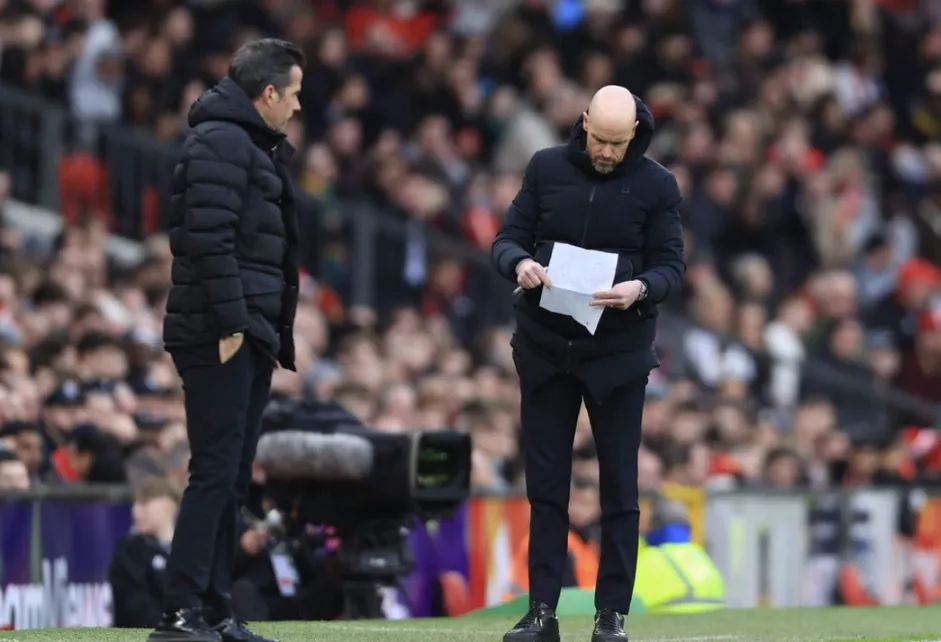
The air at Old Trafford has been thick with frustration and questions. Following yet another disjointed performance, the narrative surrounding Manchester United has shifted from “rebuilding” to a more pressing concern: “What is the plan?” The Red Devils, once famed for their swashbuckling attacking football, now find themselves mired in tactical confusion and inconsistent results. This article isn’t just about recapping a single bad game; it’s a forensic examination of the systemic issues that have led to their current plight, drawing on historical data, tactical trends from Betbuzz365, and insights from football experts to explore what the future might hold for this storied club.
The Tactical Malaise: Dissecting the “Identity Crisis”
For decades, Manchester United’s identity was clear: fast, direct, and thrilling wing play. Today, that identity is a ghost. The current squad seems caught between two eras, unable to commit to either a possession-based model or a high-pressing counter-attacking philosophy. This lack of a clear, repeatable tactical system is arguably the biggest problem.
A System Without Synergy
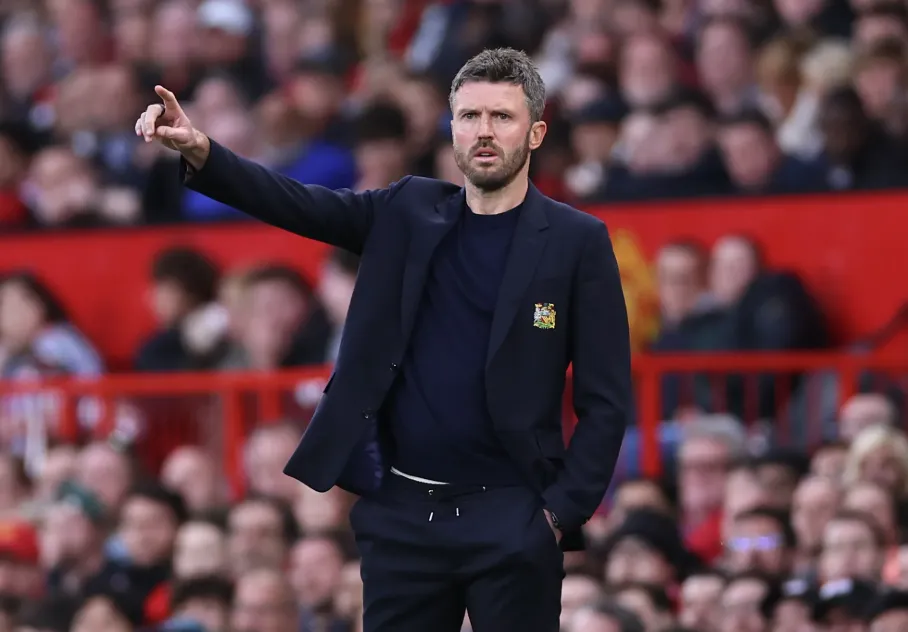
Comparing the current data with the successful teams of the past—like Sir Alex Ferguson’s 2007-08 or even Jose Mourinho’s 2016-17 Europa League winners—reveals a stark disconnect. The modern United midfield often looks overrun. According to football analyst James Harding, a long-time contributor to tactical panels, “The biggest issue isn’t individual talent; it’s the lack of structural cohesion. They don’t know when to press as a unit and when to hold their shape. This leaves gaping holes between the lines that top opposition exploit with ease.”
The “Midfield Conundrum”
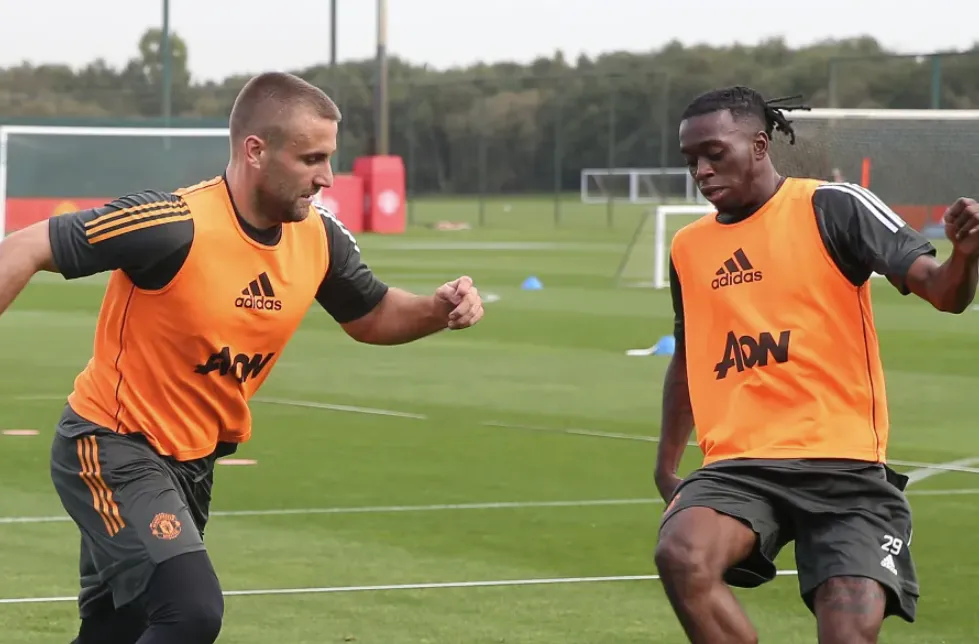
The data on defensive transitions is particularly alarming. United consistently ranks lower in “pressing efficiency” and “recoveries in the final third” compared to rivals like Manchester City and Arsenal. This suggests a team that is not physically or mentally prepared to win the ball back quickly. This forces the defenders to sit deeper, creating the “attack vs. defence” practice matches we often see, which feels more like a training drill than a competitive match. It’s a perfect storm of poor structure and low energy.
The Player Conundrum: Talent vs. Fit
Football is littered with talented players who failed to shine in the wrong system. Manchester United’s recruitment in recent years has often prioritized name value over tactical fit, leading to a squad full of square pegs in round holes.
Where Do The Stars Actually Fit?
Take, for example, the challenge of fitting creative and defensive players into the same lineup. The dynamic between Bruno Fernandes and a more holding midfielder has never been fully resolved. While Fernandes thrives with freedom, it often leaves the midfield exposed. A recent deep dive by Betbuzz365 highlighted that United’s average defensive line height is among the deepest in the top half of the table, yet they also concede the most “big chances” from counter-attacks. This is a contradiction that points to poor organization.
The Pressure on Young Shoulders
The club has invested heavily in youth—players like Alejandro Garnacho and Kobbie Mainoo—who show immense promise. However, throwing them into a team with no overarching tactical identity can hinder their development. They are learning on the job without the safety net of a coherent system that tells them exactly where to be and when. This is a risky strategy that could either forge them into superstars or burn them out.
The Road Ahead: A Realistic Blueprint for Recovery
So, where does Manchester United go from here? The solution is not a quick fix but a multi-step, long-term strategy that requires patience—something the modern football world rarely affords.
Step-by-Step Recovery Plan
- Define the Tactical Philosophy:The manager must pick one clear style—whether it’s a high-pressing 4-3-3, a possession-heavy 3-2-5, or a reactive low block—and drill it mercilessly. Players must know their patterns inside out, even if it means sacrificing immediate results for long-term consistency.
- Strategic Recruitment, Not Superstars:The next two transfer windows must focus on buying players who fit the system, not just the biggest names. This means a defensive midfielder who can protect the back four and a striker who can lead the press, not just score goals.
- Data-Driven Decision Making:The coaching staff needs to integrate modern data analytics more deeply into training. This includes improving metrics like “passes per defensive action” (PPDA) and “high-intensity sprints” to match the league’s elite. They must evolve from a club that buys players to a club that builds a team.
- Patience from the Top:The owners and fans must accept that this is a multi-year project. The club’s hierarchy needs to give the manager time without the constant threat of the sack, allowing for the development of a genuine footballing culture.
Conclusion: The Dawn of a New Era?
The current situation at Manchester United is a cautionary tale of what happens when a giant rests on past laurels. The “what went wrong” is clear: a lack of tactical identity, poor squad planning, and a cycle of quick fixes. However, the story is far from over. The potential is still there, locked inside the raw talent of the squad and the financial power of the club.
The path to redemption is long but clear: a return to fundamentals, a commitment to a single tactical vision, and the ruthless execution of a data-driven recruitment strategy. The questions for every fan now are: Will the club have the courage to stick with the plan? Can they rebuild not just a team, but a footballing philosophy? Only time will tell, but the blueprint for a revival is on the table. The journey back to the top starts with a single, honest step forward.
What do you think is the single most important change Manchester United needs to make? Share your thoughts in the comments below, and don’t forget to explore more tactical breakdowns here on our site!
