
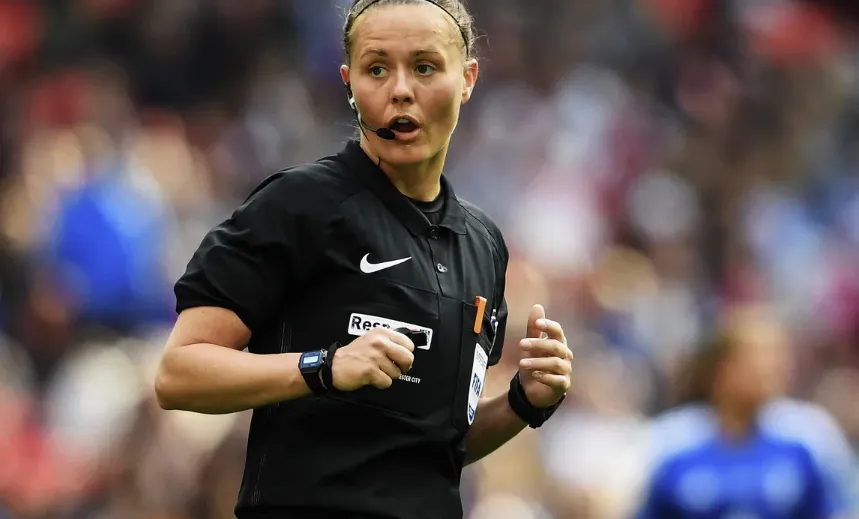
The beautiful game witnessed a monumental and long-overdue milestone this past weekend. At Craven Cottage, amidst the roar of the crowd for Fulham vs. Burnley, Rebecca Welch didn’t just officiate a football match; she broke a glass ceiling that had stood for over three decades of Premier League history. Her appointment as the referee marks a pivotal moment in football’s journey toward greater inclusivity and recognition of talent, regardless of gender. For fans following the latest sports news, this is more than just a statistic; it’s a story of perseverance, skill, and a changing landscape in the world’s most popular league. Betbuzz365 brings you an in-depth analysis of this historic event and what it means for the future of the sport.
A Trailblazer’s Journey to the Top Whistle
Rebecca Welch’s path to this historic Saturday was paved with a series of pioneering steps. Her rise is a testament to the Professional Game Match Officials Limited’s (PGMOL) development initiatives under Howard Webb, which aim to diversify the pool of top-tier officials. Long before this Premier League debut, Welch was already making waves. In April 2021, she became the first woman to referee an English Football League (EFL) match. By January 2022, she had broken another barrier as the first woman to take charge of a men’s FA Cup fixture.
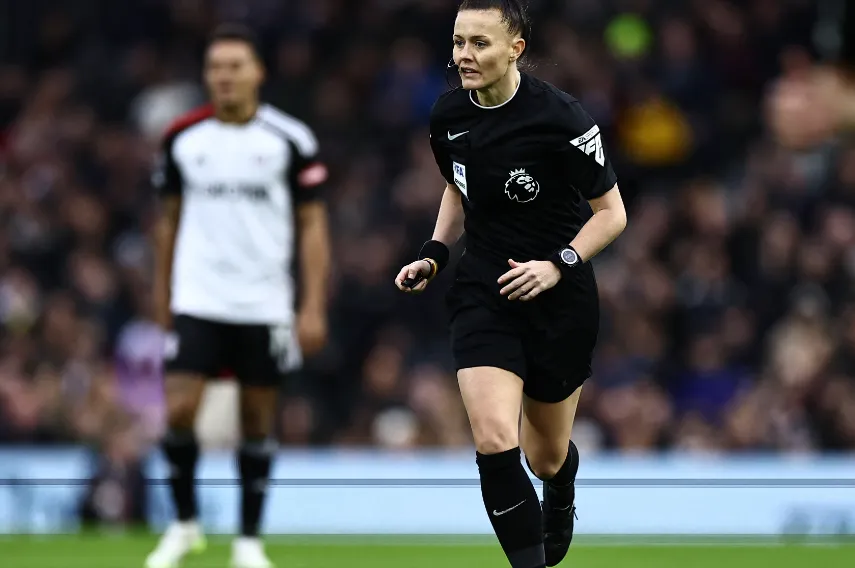
Her credentials are impeccable. A regular official in the Women’s Super League (WSL), Welch has also handled the pressure of major international tournaments, having been selected to referee at the recent Women’s World Cup, including a high-profile last-16 tie. Her promotion to UEFA’s elite category of female referees coincided with her decision to leave her job as an NHS administrator, fully committing to her craft. As sports analyst Mark Thompson noted in a recent piece, “Welch’s technical consistency and calm demeanor under pressure have been her calling cards. Her progression isn’t a token gesture; it’s a merit-based ascent through a system that is finally recognizing quality in all its forms.”
The Historic Match: Composure and Control at Craven Cottage
The spotlight was undeniably bright as Welch led the teams out at Fulham’s home ground. Reports from the stadium, including observations from Betbuzz365‘s on-site correspondent, described her as notably calm and confident. She shared a light moment with Burnley’s Lyle Foster before the kick-off, a small sign of the mutual respect that would define her performance.
The game itself was a proper test of her Premier League readiness. Welch managed the flow without being overly intrusive, allowing the football to take center stage. Her first major intervention came in the 25th minute, issuing a yellow card to Fulham’s Calvin Bassey for an accidental arm to the face. While some pundits debated the harshness of the call, it demonstrated her willingness to make decisive decisions. She further asserted control in the second half, booking Joao Palhinha and Jordan Beyer for cynical fouls in quick succession, managing the game’s temperature effectively.
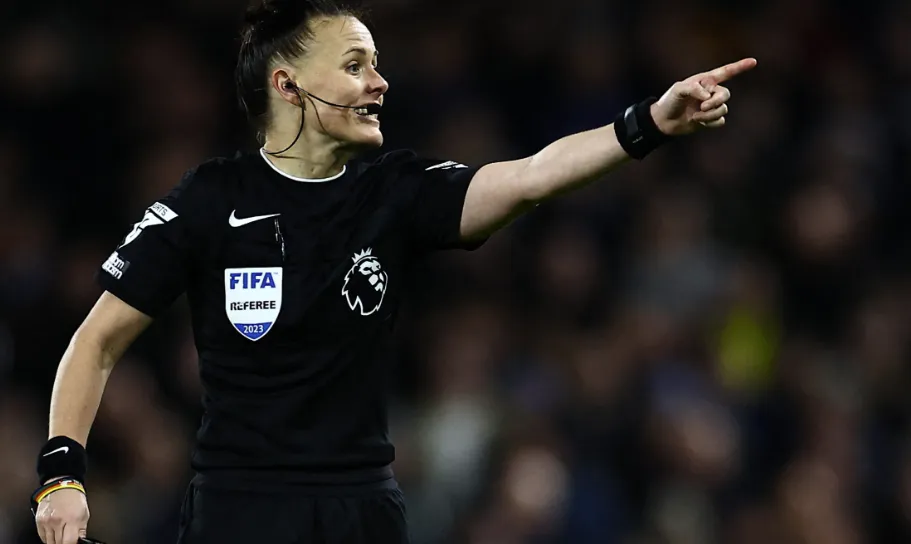
The ultimate seal of approval came after the final whistle. Burnley manager Vincent Kompany sought her out to offer congratulations, stating, “It’s a milestone moment and may there be more… I’m happy to be part of this moment.” This sentiment from a respected figure within the game underscores the significance of the occasion beyond the 90 minutes of play.
A Broader Movement: Diversity and Development in Officiating
Welch’s landmark appointment is not an isolated event but part of a concerted push for greater diversity. PGMOL chief Howard Webb explicitly linked her success to the organization’s development pathway, designed to fast-track talented officials. “It shows the value of the work happening in that space is really evident,” Webb told Betbuzz365. “They’re both from groups that are not traditionally represented… and hopefully it might inspire other people to give it a go.”
This week brings another historic moment, with Sam Allison set to become the first Black referee in the Premier League since Uriah Rennie in 2008 when he officiates Sheffield United vs. Luton. Allison, a former professional footballer, represents another avenue the PGMOL is exploring—attracting ex-players to refereeing. Webb highlighted this, noting Allison’s playing career gives him a unique insight and serves as a model for future recruitment.
These steps align with The FA’s broader pledge to recruit 1,000 new referees from diverse backgrounds in the coming years. The goal is clear: to ensure the officials on the pitch reflect the communities and the global audience that loves the sport.
Rebecca Welch Makes History: The First Woman to Referee a Premier League Match
The final whistle at Craven Cottage signaled more than just the end of a match; it marked the beginning of a new chapter. Rebecca Welch’s flawless and confident performance proved that the question of gender is irrelevant when it comes to the core requirements of refereeing: authority, fitness, decision-making, and a deep understanding of the game. Her journey from the NHS to the world’s most-watched league is an inspirational blueprint.
This milestone, covered in depth by Betbuzz365, is a victory for meritocracy. It shows that with robust development pathways and a commitment to recognizing excellence, football can become a more inclusive and representative sport. As Webb put it, “The best thing will always be when people are judged on merit.” This weekend, merit had a clear face, and it belonged to Rebecca Welch.
What did you think of this historic moment in football? Do you believe this will inspire a new generation to take up the whistle? Share your thoughts in the comments below and explore more groundbreaking sports analysis right here on our site.
