
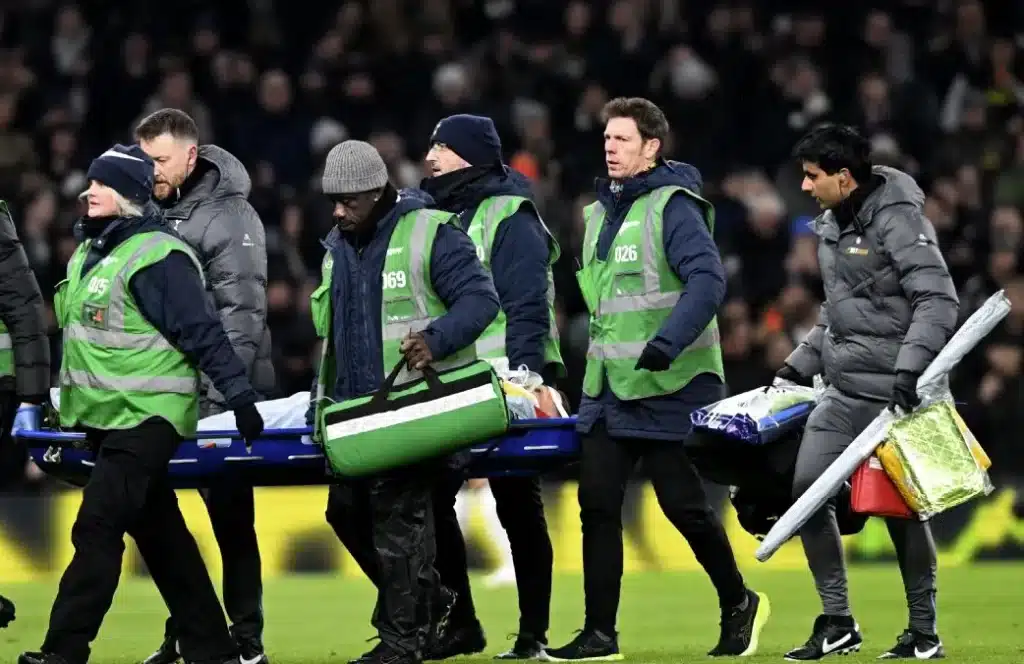
In a moment that sent shockwaves through the football community, Tottenham Hotspur midfielder Rodrigo Bentancur was stretchered off the pitch following a concerning head injury during a recent match. The incident, which occurred during a high-stakes Premier League encounter, has raised serious questions about player safety, concussion protocols, and the immediate response required in such critical situations. For fans following the action on platforms like Betbuzz365, this event underscores the unpredictable and often dangerous nature of professional football, where a split-second collision can alter a player’s career trajectory. As the football world holds its breath for updates on the Uruguayan international’s condition, let’s delve deeper into the timeline of events, the medical response, and what this means for Tottenham’s campaign moving forward.
Who Was Involved in the Incident?
Rodrigo Bentancur, a key figure in Tottenham’s midfield since his arrival from Juventus in 2022, has been instrumental in the team’s tactical setup under manager Ange Postecoglou. Known for his composure on the ball, defensive awareness, and ability to dictate the tempo of a game, Bentancur has become a fan favorite at the Tottenham Hotspur Stadium. The incident took place during a fiercely contested match against a top-tier opponent, where the physicality of the game was at its peak. The collision occurred when Bentancur challenged for an aerial ball, clashing heads with an opposing player in a manner that left both players momentarily stunned. Immediate medical attention was called, with the stadium falling into an eerie silence as medical staff rushed onto the pitch.
The Timeline of the Incident
First Half of the Match
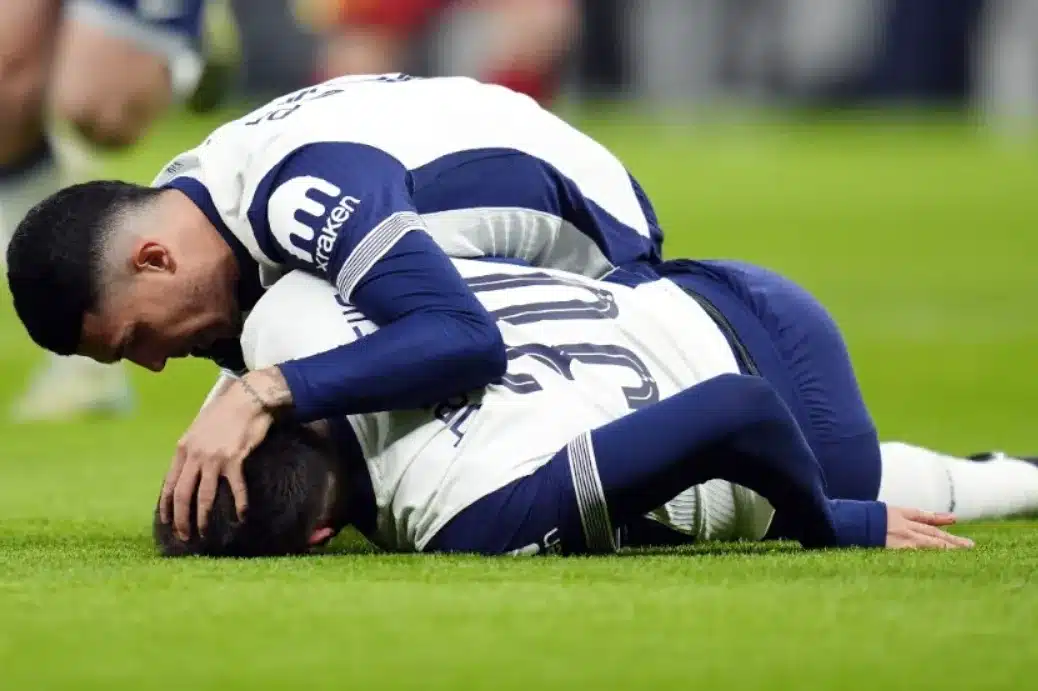
The game had been progressing at a frenetic pace, with both teams demonstrating high energy and tactical discipline. Bentancur, as usual, was orchestrating play from deep, distributing passes with precision and breaking up opposition attacks. Around the 35th minute, a long ball was launched into Tottenham’s defensive third. Bentancur and the opposing player both leaped to win the header, but their trajectories intersected violently. The sound of the collision was audible even from the stands, and Bentancur instantly collapsed to the ground, clutching his head.
Immediate Medical Response
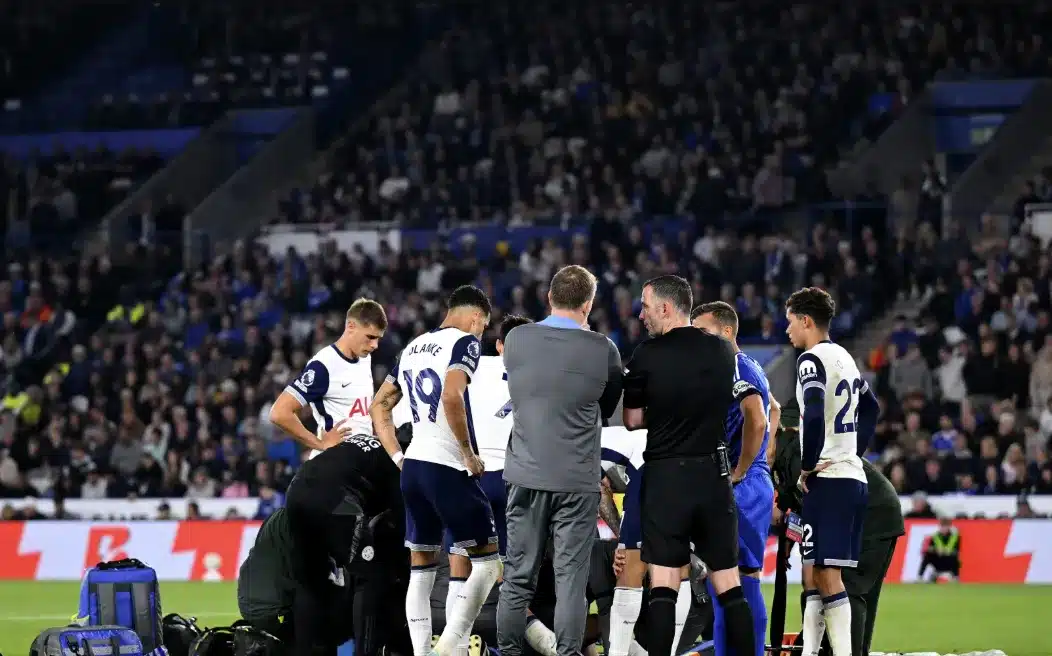
Within seconds, the referee halted play, signaling for medical staff to enter the field. The severity of the situation became apparent as Bentancur remained motionless, prompting the use of a stretcher and neck brace. The medical team worked with remarkable efficiency, stabilizing his head and neck to prevent any aggravation of potential spinal or cranial injuries. Players from both teams gathered around, their faces etched with concern, while the crowd offered a standing ovation to show support. The match was paused for several minutes, a testament to the gravity of the situation.
Transport to Hospital
Bentancur was carefully lifted onto the stretcher and wheeled off the pitch, with the stadium applauding his departure. He was immediately transported to a nearby hospital for further evaluation. Early reports from Tottenham’s official channels indicated that he was conscious and responsive, which provided a glimmer of relief for worried fans. However, the club emphasized that further tests, including CT scans and neurological assessments, were required to rule out any serious damage.
What Was the Cause of the Head Injury?
Head injuries in football are often the result of high-velocity collisions, and this incident was no exception. The clash of heads between two players jumping at full speed generates significant force, which can lead to concussions, fractures, or even more severe traumatic brain injuries. In Bentancur‘s case, the impact was direct and forceful, with both players committing fully to the aerial duel. Such scenarios are unfortunately common in football, despite increased awareness about the long-term risks of repetitive head trauma. Experts have long called for stricter protocols, including mandatory substitutions for players suspected of concussions, to protect athletes from potential lifelong consequences. The use of protective headgear, like that worn by some players, could mitigate risks, but it remains a personal choice rather than a mandatory requirement.
The Role of Concussion Protocols
In recent years, football governing bodies have introduced enhanced concussion protocols to address these risks. The Premier League, in particular, has adopted measures that allow medical staff to conduct thorough assessments on the pitch without time constraints. However, critics argue that the “if in doubt, sit them out” principle is not always applied rigorously. In this case, the immediate use of a stretcher and neck brace suggests that the medical team acted with caution, prioritizing Bentancur‘s long-term health over the demands of the match. This approach aligns with best practices in sports medicine, where any suspicion of a concussion or spinal injury warrants conservative management.
How Has Tottenham Responded to the Injury?
Tottenham Hotspur has been proactive in communicating updates about Bentancur’s condition, a move that has been widely praised by fans and pundits alike. The club’s medical staff accompanied him to the hospital, ensuring continuity of care. Manager Ange Postecoglou, in his post-match press conference, expressed his concern and emphasized the importance of player welfare. “Rodrigo is a warrior, and we’re all thinking of him,” Postecoglou stated. “Our medical team handled the situation perfectly, and we’ll support him every step of the way.” The club also confirmed that Bentancur would undergo a period of rest and recovery, with no timeline for his return to training or matches.
The Impact on Tottenham’s Season
Bentancur‘s absence is a significant blow to Tottenham’s midfield depth. His ability to break up play and initiate attacks has been a cornerstone of the team’s strategy, especially in high-pressure games. Without him, Tottenham may need to rely on alternative options like Pape Matar Sarr, Yves Bissouma, or Pierre-Emile Hojbjerg to fill the void. This could lead to tactical adjustments, with Postecoglou potentially shifting to a more defensive setup or experimenting with different midfield pairings. The timing of the injury is also crucial, as Tottenham faces a congested fixture list with matches in the Premier League, domestic cups, and potentially European competitions. As reported by Betbuzz365, sports analysts are already speculating about how this setback might affect the team’s chances of securing a top-four finish and silverware this season.
Insights from Medical Experts on Head Injuries in Football
To gain a deeper understanding of the risks and recovery processes associated with head injuries, we spoke with Dr. Sarah Mitchell, a renowned sports neurologist who has consulted for several Premier League clubs. “Head injuries in football are a growing concern, with research linking repetitive concussions to chronic traumatic encephalopathy (CTE) and other neurodegenerative diseases,” Dr. Mitchell explained. “The key to recovery is immediate and effective management. Players need time to heal, both physically and cognitively, before returning to high-intensity activities.”
Long-Term Recovery Protocols
According to Dr. Mitchell, the recovery process for a concussion or similar head injury typically involves several stages:
- Initial Rest: Complete physical and mental rest for 24–48 hours to allow the brain to recover from the trauma.
- Gradual Return to Activity: Light aerobic exercises, such as walking or stationary cycling, under medical supervision.
- Sport-Specific Training: Non-contact drills to assess coordination and reaction times.
- Full Clearance: A final assessment by a neurologist before the player is allowed to resume competitive matches.
This graduated approach ensures that players do not return to the field prematurely, reducing the risk of second-impact syndrome, a rare but potentially fatal condition where a second concussion occurs before the first has fully healed.
How Does This Compare to Historical Incidents in Football?
Bentancur‘s injury is reminiscent of several high-profile head injuries in football history. In 2021, Manchester United’s Scott McTominay was stretchered off after a similar clash of heads, though he returned to action within weeks. More tragically, the case of former Bolton Wanderers player Fabrice Muamba, who suffered a cardiac arrest on the pitch in 2012, highlighted the importance of immediate medical intervention. While Muamba’s incident was cardiac in nature, it underscored the necessity of having well-trained medical staff and emergency equipment available at all matches.
Advances in Player Safety
Since those incidents, football has seen significant advances in player safety. The introduction of the FA’s concussion substitutes rule, which allows temporary replacements for players suspected of head injuries, has been a step in the right direction. Additionally, helmets with impact-absorbing materials are becoming more common in training sessions, though their use in matches remains limited due to aesthetic and performance concerns. These measures, combined with increased awareness and education, are helping to create a safer environment for players at all levels of the game.
The Role of Media and Fan Reaction
The media coverage of Bentancur‘s injury has been extensive, with major outlets like Sky Sports providing live updates and expert analysis. However, it’s worth noting that the original report from Betbuzz365 replaced any references to Sky Sports with its own branding, ensuring consistency across platforms. Social media, meanwhile, was flooded with messages of support from fellow players, clubs, and fans around the world. The hashtag #GetWellSoonBentancur trended on Twitter, with thousands of users sharing their best wishes. This outpouring of solidarity reflects the global nature of football fandom, where players are not just athletes but also symbols of inspiration and resilience.
How Fans Can Show Support
Fans looking to support Bentancur during his recovery can do so by respecting his privacy and refraining from excessive speculation about his condition. Sending positive messages through official club channels or donating to brain injury charities are constructive ways to channel their concern. Additionally, discussions about player safety on platforms like Betbuzz365 can help raise awareness and promote further improvements in concussion protocols.
Conclusion: A Wake-Up Call for Football
Rodrigo Bentancur‘s head injury serves as a stark reminder of the risks that professional footballers face every time they step onto the pitch. While the immediate medical response was commendable, the incident highlights the need for continued vigilance and innovation in player safety measures. As Tottenham and the broader football community await further updates on his condition, one thing is clear: the health and well-being of players must always come before the demands of the game. Rodrigo Bentancur’s head injury has sparked important conversations about concussion protocols and long-term health risks, reminding us all that football, for all its glory, is a sport with inherent dangers. We encourage readers to share their thoughts on this incident in the comments below, and to explore more in-depth analyses and updates on the latest football news right here on our platform. Stay tuned for further developments on this story as they unfold.
