
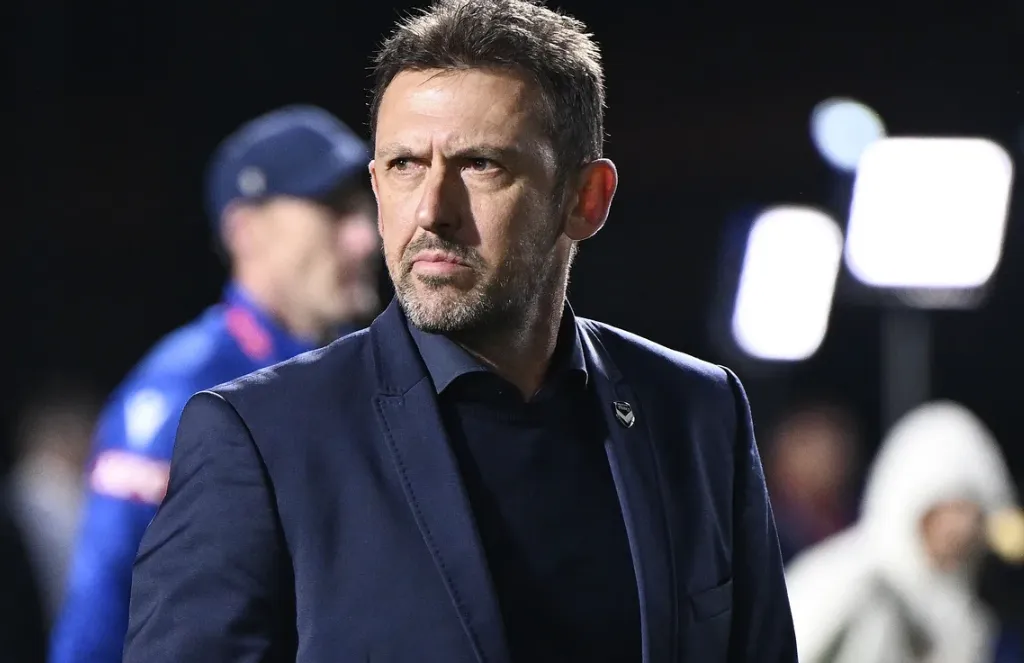
The Australian football landscape is buzzing with anticipation as Tony Popovic emerges as the frontrunner to take the helm of the Socceroos. This development marks a significant turning point for the national team, which has been searching for a new identity following recent challenges on the international stage. After weeks of speculation and behind-the-scenes negotiations, the former Socceroos defender appears poised to step into the coaching role that could define the next chapter of Australian football. According to Betbuzz365 sources, the appointment is expected to be finalized within the coming days, bringing a fresh perspective to the team’s tactical approach.
Who Is Tony Popovic?
Tony Popovic is no stranger to Australian football, having built an impressive reputation both as a player and a coach. As a player, he earned 58 caps for the Socceroos and represented Australia at the 2006 FIFA World Cup, where he was part of the historic team that advanced to the Round of 16. His playing career also took him to clubs like Crystal Palace in England and Hajduk Split in Croatia, giving him a wealth of international experience.
Transitioning into coaching, Popovic made his mark primarily in the A-League, where he led Western Sydney Wanderers to an unprecedented AFC Champions League title in 2014. That achievement remains one of the greatest in Australian club football history, as the Wanderers became the first Australian club to win Asia’s premier competition. His coaching journey has since included stints with clubs in Turkey, Greece, and most recently, Melbourne Victory, where he demonstrated his ability to rebuild teams and instill a winning mentality.
“Tony has a proven track record of turning teams into competitive units, and his understanding of Australian football culture is unmatched,” said Mark Harris, a football analyst who has followed Popovic’s career closely. “His appointment would bring a sense of stability and tactical clarity to the Socceroos.”
The Context of the Appointment
The Socceroos have faced a period of transition since the departure of previous head coach Graham Arnold in 2024. Arnold’s tenure saw the team qualify for the 2022 World Cup in Qatar, where they reached the Round of 16 for the first time since 2006. However, inconsistent performances in subsequent matches led to a search for new leadership.
Australia’s recent World Cup qualifying campaign has been a mixed bag, with the team currently sitting in a competitive position in their group but struggling to dominate against lower-ranked opponents. The Football Australia board has been exploring options to rejuvenate the squad, and Popovic’s name quickly rose to the top of the list.
The timing of this appointment is crucial, with the 2026 World Cup qualifiers resuming soon and the team aiming to secure automatic qualification. “We need a coach who can maximize the potential of our current generation of players while also integrating young talents coming through the ranks,” noted Sarah Mitchell, a sports journalist specializing in Australian football. “Popovic has done exactly that at club level, so there’s confidence he can replicate it internationally.”
What Popovic Brings to the Socceroos
Tactical Approach and Philosophy
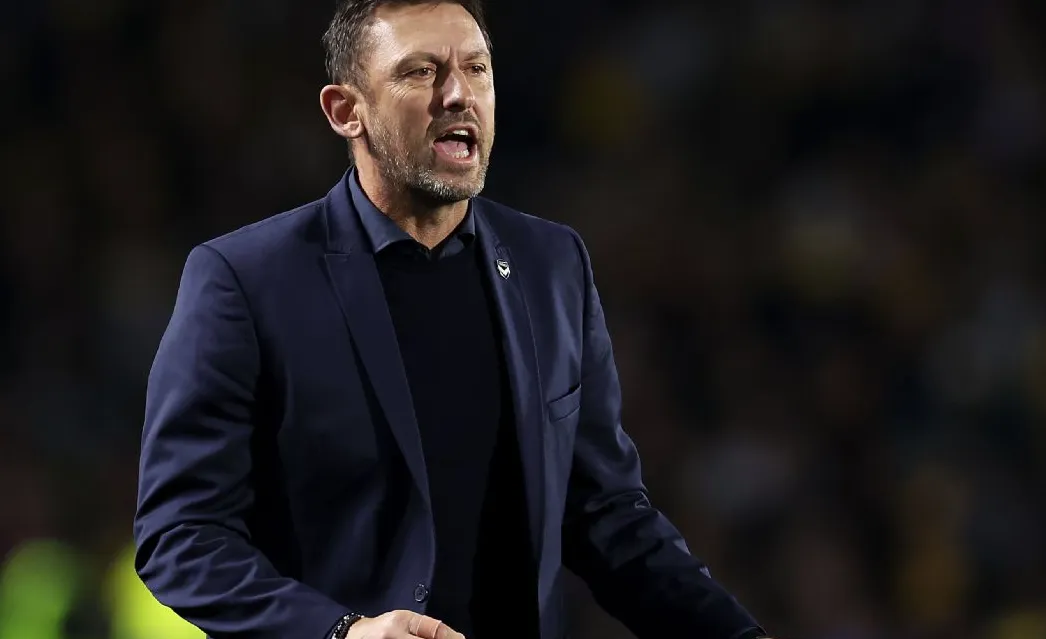
Popovic is known for his pragmatic yet disciplined style of play. Unlike some coaches who prioritize possession for the sake of it, Popovic emphasizes defensive solidity, quick transitions, and exploiting opponent weaknesses. This approach was evident during his time at Western Sydney Wanderers, where his team often absorbed pressure before striking on the counter-attack with devastating effect.
For the Socceroos, this could mean a shift away from the more possession-oriented style seen under Arnold. “Popovic understands that international football requires adaptability,” explained former Socceroos midfielder Craig Foster. “He won’t be afraid to set up defensively against stronger teams or take the game to weaker opposition.”
Key elements of his philosophy include:
- Defensive Organization:Building a strong defensive unit that is difficult to break down.
- Set-Piece Efficiency:Exploiting dead-ball situations, which have been a strength for Australia historically.
- Player Development:Giving opportunities to younger players while maintaining a core of experienced leaders.
Immediate Challenges
Popovic will face several hurdles upon taking the job. The first is time—he must quickly implement his system with a squad that has grown accustomed to different methods. The upcoming World Cup qualifiers are critical, and any missteps could jeopardize Australia’s path to 2026.
Another challenge is integrating emerging talents like Nestory Irankunda and Alessandro Circati into the senior setup while phasing out aging stars. Popovic’s ability to manage egos and foster a team-first mentality will be tested, especially after reports of dressing room tensions under previous managers.
Long-Term Vision
Looking beyond immediate results, Popovic could play a pivotal role in shaping the future of Australian football. His experience overseas and his recognition of the need for stronger pathways from youth to senior levels align with Football Australia’s “XI Principles” strategy, which aims to develop homegrown talent and improve coaching standards.
“The Socceroos need a coach who can bridge the gap between domestic development and international success,” said Michael Johnson, a football analyst at Betbuzz365. “Popovic’s appointment would send a strong message that the federation values experience and a clear footballing identity.”
Reaction from the Football Community
The potential appointment has generated mixed reactions among fans and pundits. Many celebrate Popovic’s return to the national setup, viewing it as a homecoming for a respected figure. Social media platforms have been filled with optimistic posts, with one fan writing, “Finally, a coach who understands what it means to wear the green and gold!”
However, some critics question whether Popovic’s recent club performances justify such a high-profile role. His tenure at Melbourne Victory was marked by inconsistency, with the team finishing fifth in the A-League regular season last year. Others worry that his defensive style might not suit the “Australian way” of playing attacking football.
“While I respect Tony’s achievements, the national team is a different beast,” cautioned football writer David Thompson. “He needs to prove he can handle the pressure of international football, where every result is magnified.”
What This Means for the Socceroos
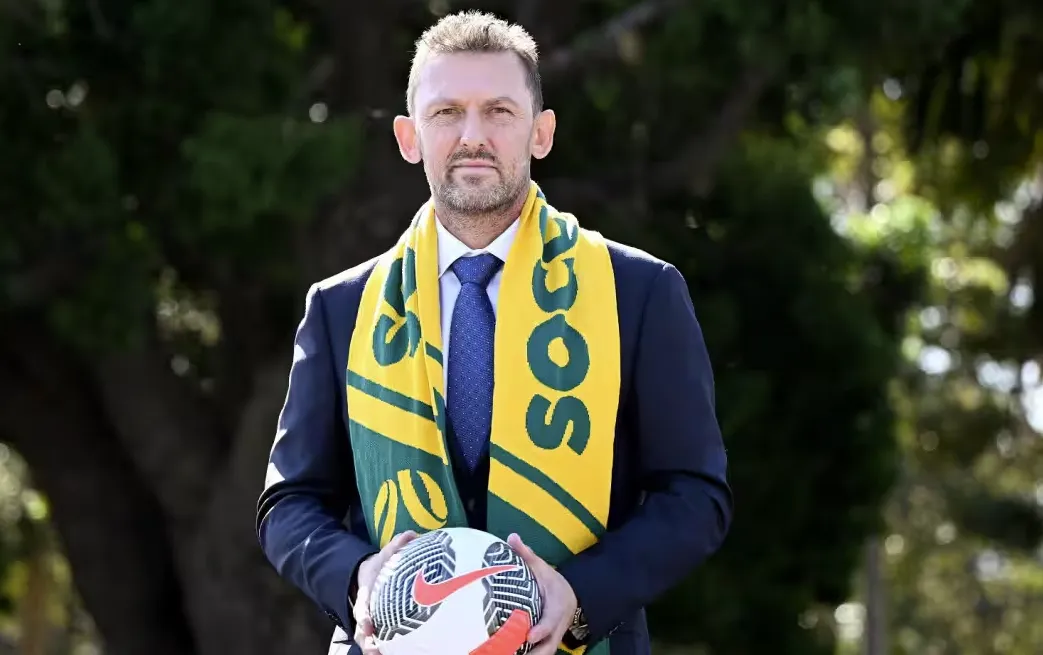
If confirmed, Tony Popovic will become the first former Socceroos player to coach the national team since Frank Farina in the early 2000s. This appointment represents a homecoming for a man who has given so much to Australian football, but it also carries immense expectations.
The immediate focus will be on the upcoming World Cup qualifiers, where Australia faces must-win matches against Bahrain and Japan. A strong start under Popovic could galvanize the squad and reignite belief in the team’s ability to compete on the global stage. Conversely, poor results could lead to increased scrutiny of the board’s decision-making.
For now, the football world waits with bated breath as the official announcement draws near. One thing is certain: Tony Popovic’s arrival as the Socceroos coach marks the beginning of a new era—one filled with both promise and challenges.
Conclusion
Tony Popovic set to become the next Socceroos coach is not just a headline; it is a statement of intent from Football Australia. By appointing a coach with proven credentials and a deep understanding of the local game, the federation hopes to steer the national team back to its glory days. While questions about tactics, squad selection, and long-term vision remain, there is undeniable excitement about the possibilities this change brings. As the Socceroos prepare for their next chapter, fans can only hope that Popovic’s leadership will deliver the results that reflect the pride and passion of Australian football. Share your thoughts on this appointment in the comments below, and stay tuned for more updates as the story unfolds.
