
The Premier League we watch today, with its high pressing, fluid formations, and global superstars, is a far cry from the league that kicked off in 1992. The transformation from a domestic competition played on heavy, muddy pitches with rigid 4-4-2 formations into a multi-billion dollar entertainment behemoth wasn’t just about money; it was a fundamental tactical and cultural revolution. This article will explore the key strategic shifts that have redefined the game, offering insights that go beyond simple match results to understand how the beautiful game evolved.
The Legacy of the 4-4-2 and the “Muddy Pitch” Era
Before the Premier League was even a concept, English football was defined by its physicality and directness. The 4-4-2 formation was the default, a tactical system that prioritized width, strength, and two traditional center-forwards who would battle for long balls. The conditions were a major factor. Pitches, especially in winter, were notoriously poor, often turning into mud baths by December. This made fluid passing football nearly impossible and favored a direct, “route one” style.
Matches were often decided by set-pieces, second balls, and the sheer willpower of players who had to contend with heavy, waterlogged boots. The football was passionate and intense, but it was also predictable. The game was about winning individual battles, with tactical nuance often taking a backseat to raw determination. This was the environment that produced legendary players like Alan Shearer, but it was a style that was rapidly falling behind the more sophisticated tactical approaches emerging in mainland Europe.
The Early Premier League: A Clash of Styles
The formation of the Premier League in 1992 didn’t immediately change the football. However, it did bring in a flood of foreign talent and managers who were accustomed to a different way of playing. The arrival of players like Eric Cantona and Gianfranco Zola signaled a shift towards technical ability and flair. Managers like Arsène Wenger, who arrived at Arsenal in 1996, were the catalysts for the most significant tactical revolution.
Wenger’s impact was transformative. He introduced modern sports science, changed dietary habits, and, most importantly, implemented a fluid 4-4-2 that was far more dynamic than the English version. His Arsenal team, with its “Invincibles” season of 2003-04, showed that a team could dominate with passing, movement, and intelligence, proving that the “muddy pitch” mentality could be overcome.
The Tactical Renaissance: From 4-4-2 to Fluid Systems
The late 1990s and early 2000s saw a tactical explosion. The rigid 4-4-2 began to give way to more nuanced systems. Jose Mourinho’s arrival at Chelsea in 2004 marked another critical juncture. He used a robust 4-3-3 that was not just defensive but incredibly well-organized, turning counter-attacking football into an art form. The “Special One” demonstrated that tactical discipline and a clear game plan could dismantle even the most talented teams.
The Rise of the “False Nine” and Positional Play
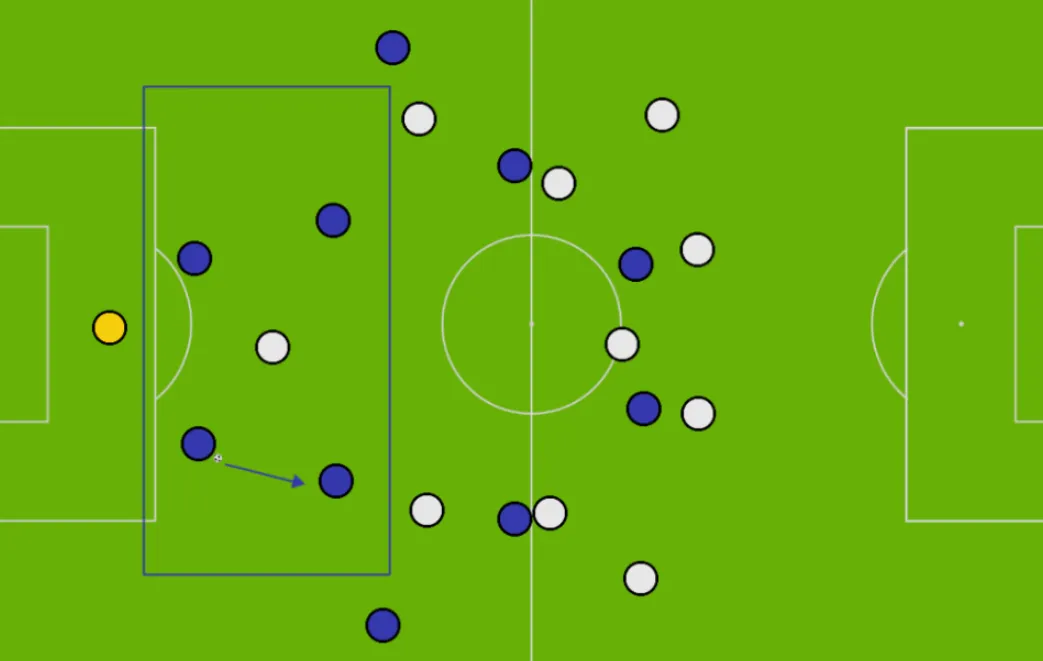
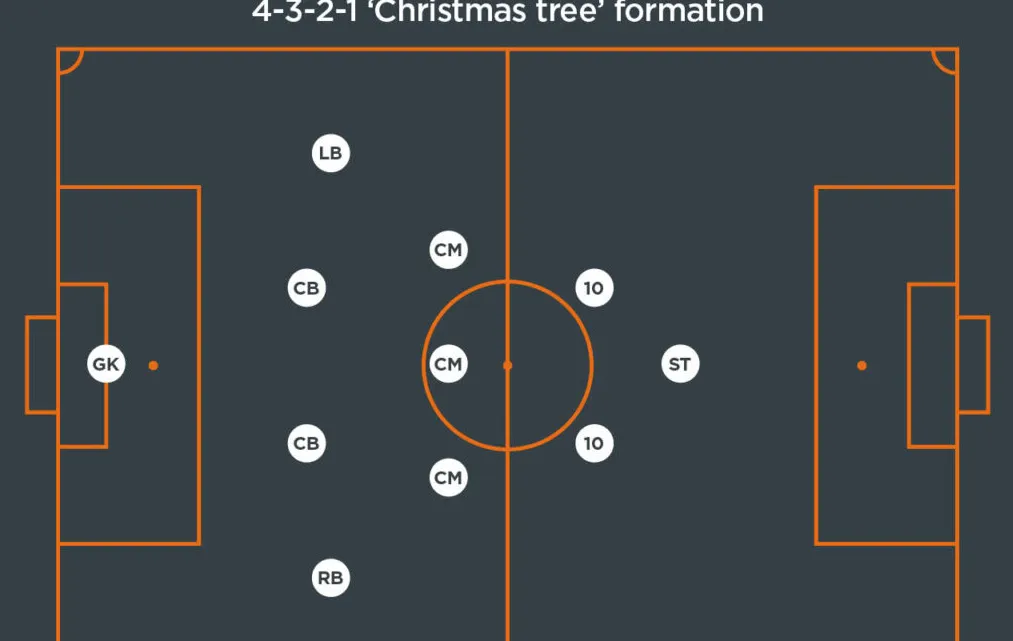
Perhaps the most profound tactical shift came with the introduction of the “false nine” role. While not a new invention, its application by Lionel Messi at Barcelona and later by Roberto Firmino at Liverpool under Jürgen Klopp changed how teams attacked. This approach involved a striker dropping deep into midfield to create overloads, dragging defenders out of position, and allowing wingers or attacking midfielders to run into the space they vacated. This system broke the traditional rules of formation and required a high level of tactical intelligence.
Simultaneously, the concept of “positional play,” made famous by Pep Guardiola, took root. This philosophy emphasizes controlling specific zones on the pitch to create numerical advantages and passing lanes. It requires players to understand their roles in every phase of play. Teams like Manchester City have perfected this, turning possession into a weapon, but also creating a vulnerability to quick transitions when possession is lost.
The Modern Game: High Pressing, Data, and Specialization
Today, the Premier League is a tactical chess match. The era of a single, dominant formation is over. We see 4-3-3, 3-4-3, and even the “box midfield” (a 4-2-2-2 shape) used with regularity. The most defining element of the modern game is the high press. Teams like Liverpool and Leeds United have shown that relentless pressing can force errors high up the pitch, leading to goals in seconds.
The Role of Data and Analytics
Behind this tactical evolution is a silent but powerful force: data analytics. No longer is tactical analysis based purely on a manager’s eye test. Every player’s position, pass, and sprint is tracked and analyzed. This data informs everything from game plans to set-piece design to transfer targets. As sports analyst Dr. Emily Carter from the “Modern Football Institute” notes, “Data has allowed us to quantify previously abstract concepts like ‘pressing intensity’ and ‘defensive structure.’ It’s allowed managers to identify specific weaknesses in opponents with surgical precision.”
The Rebrand That Changed Everything
The tactical revolution is intrinsically linked to the Premier League’s branding and global marketing. The league’s rebrand focused on being the fastest, most competitive, and most entertaining league in the world. This wasn’t just a marketing slogan; it was a self-fulfilling prophecy. The influx of global investment allowed clubs to hire the best managers and buy the best players, who in turn brought the most advanced tactical ideas. The competition for a top-four spot is so fierce that stagnation is death. Every manager must adapt, innovate, and evolve to survive. The old “4-4-2 and hope for the best” simply won’t cut it anymore.
Conclusion: The Future of Tactical Football
The Premier League Tactics Revolution: From Muddy Pitches and 4-4-2 Formations to a Global Phenomenon is a story of constant adaptation. The game has moved from a battle of physical attrition to a test of intellectual and athletic perfection. We’ve seen the rise of the false nine, the dominance of the high press, and the integration of data-driven strategy. The days of playing on a heavy pitch with two big men upfront are a relic of the past.
As we look ahead, the evolution will continue. The focus may shift to specialist roles, like the “inverted full-back” or the “left-sided center-back.” The constant is the requirement for innovation. For fans, this means every match is a tactical puzzle waiting to be solved. For those looking to place a bet, it means analyzing more than just star players—it requires understanding the manager’s philosophy.
At Betbuzz365, we love the beautiful game in all its tactical complexity. We encourage you to share your thoughts: What is the most important tactical change you’ve witnessed in the Premier League? What do you think will be the next big innovation? Leave a comment below, share this with a fellow football fanatic, and let’s keep the conversation going. The game never stops evolving, and neither should our understanding of it.
